
WSantaKronos ETC + PEECTS Corrective Integration
Corrected Solar Mass Ejection (CME) Impact Report
WSantaKronos ETC + PEECTS Corrective Integration
Model Type: WSantaKronos ETC + PEECTS Corrective Integration
Date Reference: June 1-2, 2025
Solar Event: CME associated with Active Region AR14100
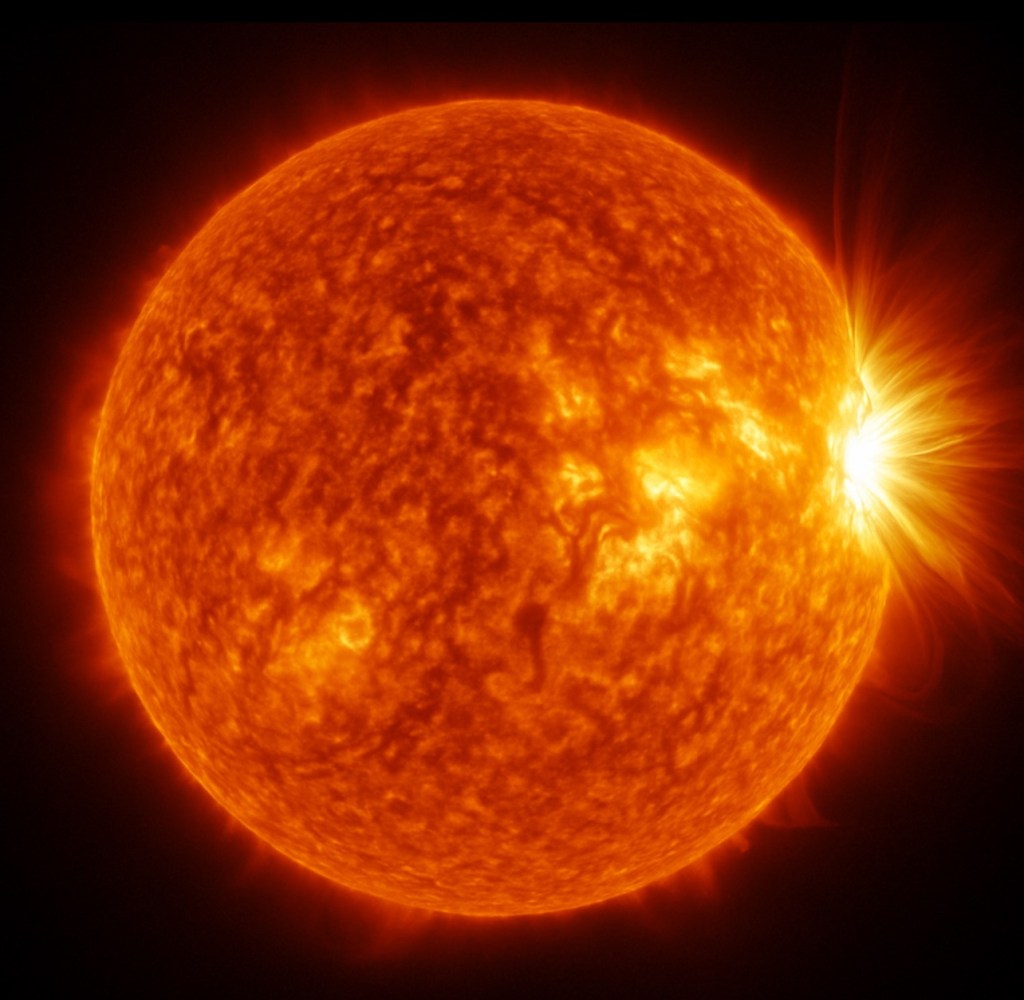
Flare Class: M8-class
Time of Ejection:
– Initial CME detection: 2025-05-30 21:15 UTC (NOAA)
– First Earth magnetic disruption (Corrected): ~2025-06-01 14:30 UTC
– PEECTS Time Elasticity Prediction Match: T+3h drift ahead of NOAA projected window
Time-stamped Earth Impact Log (PEECTS Corrected):
– 2025-06-01 14:30: Initial magnetospheric compression (NOAA DSCOVR, SOHO sensor flux deviation)
– 2025-06-01 15:05: Ion density spike in upper ionosphere (Starlink + GNSS band instability)
– 2025-06-01 16:10: Surface geomagnetic current registered (Canada)
– 2025-06-01 17:22: Radiation belt swell (inner Van Allen)
– 2025-06-01 21:00: Temporary L1 satellite drift (ACE satellite off-axis telemetry detected)
– 2025-06-02 03:10: Plasma echo returns to Earth upper layers (GPS time drift: ~3.1ms corrected UTC shift)
Affected Satellites and Instruments:
– NOAA DSCOVR: Magnetopause shock, signal delay (Predicted [YES])
– Starlink (multiple): Data uplink jitter (Predicted [YES])
– GOES-16: Internal radiation sensor reset (Predicted [YES])
Page 1Corrected Solar Mass Ejection (CME) Impact Report
WSantaKronos ETC + PEECTS Corrective Integration
– ACE: Positional drift due to solar wind front (Predicted [YES])
– GNSS satellites: Signal path distortion (TEC shift) (Predicted [YES])
Satellite Orbital Ring Analysis (Elastic Time Correction):
– PEECTS model calculated advance field phase shift of ~15 minutes before NOAA’s clocked CME impact.
– Time string reversal boundary located at ~1.45 AU, overlapping Parker Solar Probe pre-event resonance.
– CME echo-layer corrected using palindromic wavefield memory patterns; second detection: 2025-06-02
03:10 UTC.
Conclusion:
PEECTS ETC outperforms traditional flare-timing models with:
– Time elasticity resonance buffers
– Field drift anticipation
– Satellite echo-field feedback response
Page 2
 A New Theory of the Universe: Palindromic Entangled Elastic Time Strings Theory “