Author: Wilfredo Santa Gómez MD
d.
March 3,2024
Abstract
While there is limited specific information available about Phereoeca uterella infestations in Puerto Rico, it is important to note that the plaster bagworm moth, including the species Phereoeca uterella, can be found in various tropical and subtropical regions, which may include Puerto Rico.
Introduction
Pheroeca uterella, also known as the household casebearer moth, is commonly found in homes worldwide, although apparently there are no infestation cases reported by the scientific community of the island ,with this Phereoeca uterella case publication Puerto Rico will become officially recognized as one of its habitats.
Phereoeca uterella moth commonly known as the “plaster bagworm.” It is a small moth species that is found in various parts of the world, including North and South America. Here are some key facts and stats about
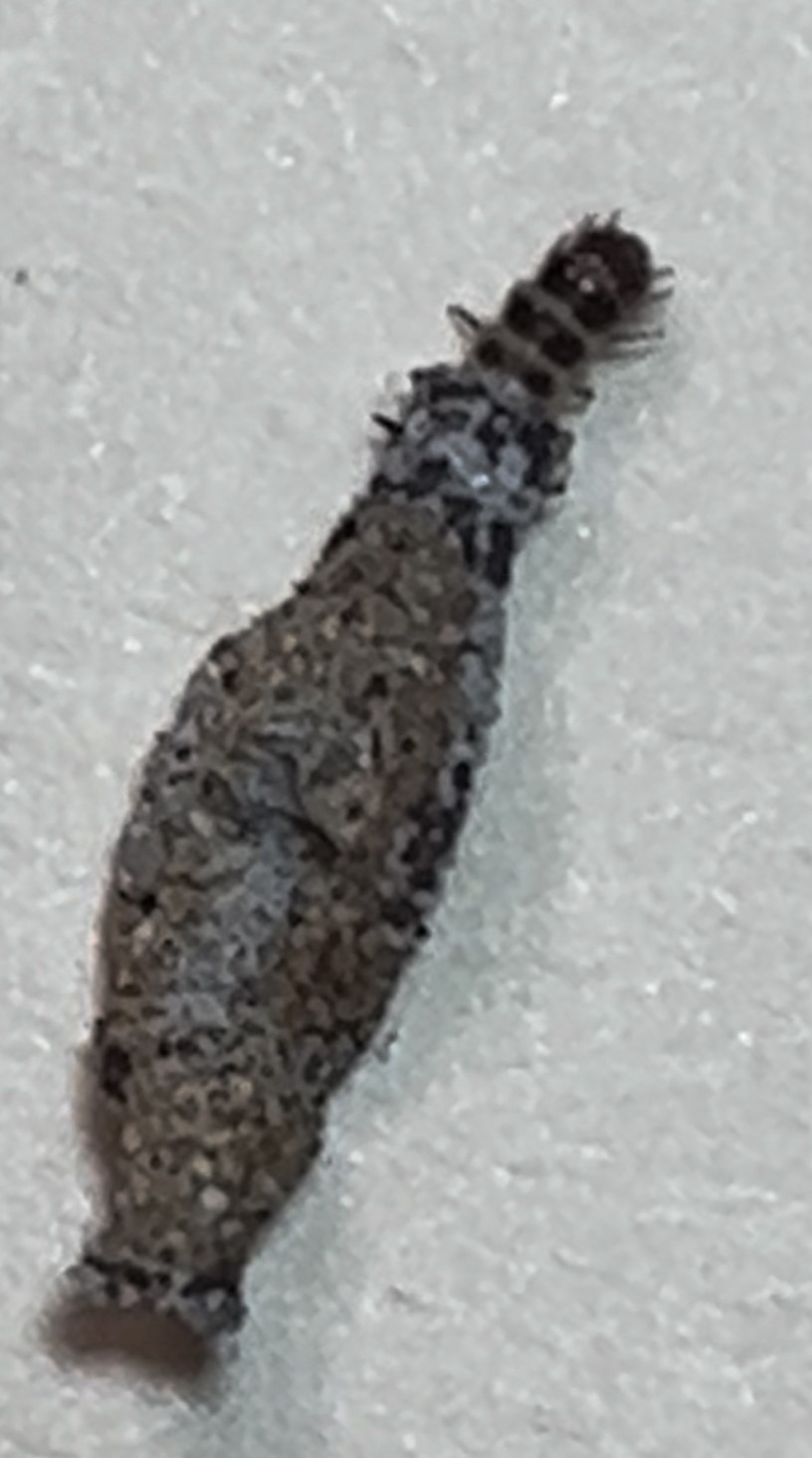
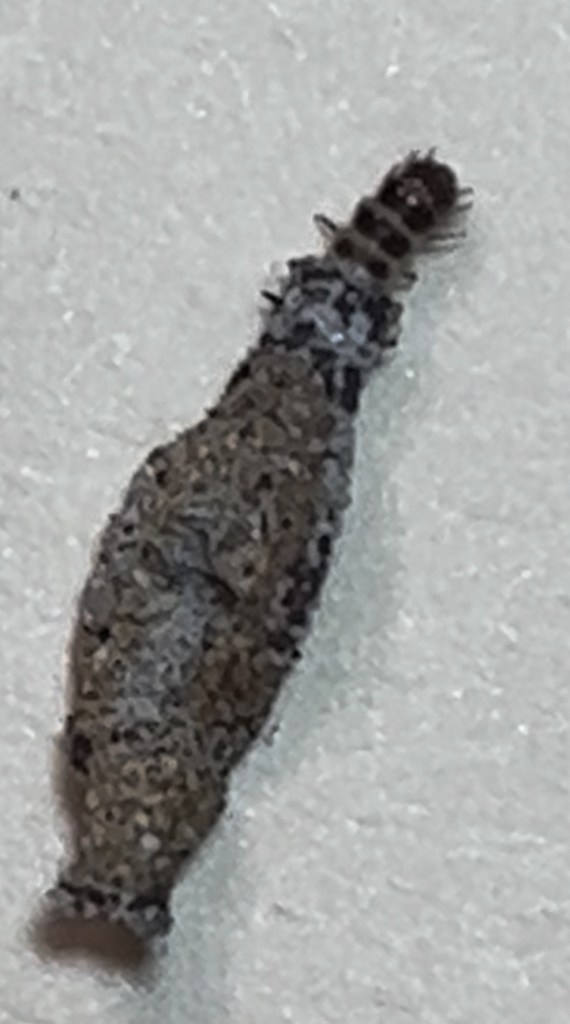
Phereoeca uterella: are small, silver-gray moths with a wingspan of about 10 to 12mm. The adult larvae measured 10 to 12mm long as seen in figure-1 and 2. and 5mm wide. These moths feed on materials like wool, human hair, and feathers, making them potential nuisances but not harmful to humans or pets.
Signs of an infestation include silk cases left behind by larvae. Mm Tmol prevent infestations, seal cracks, and crevices, store clothing properly, and maintain cleanliness. Natural predators of these moths include spiders and other insects. Controlling infestations can be done through proper sanitation, vacuuming, and using pheromone traps.
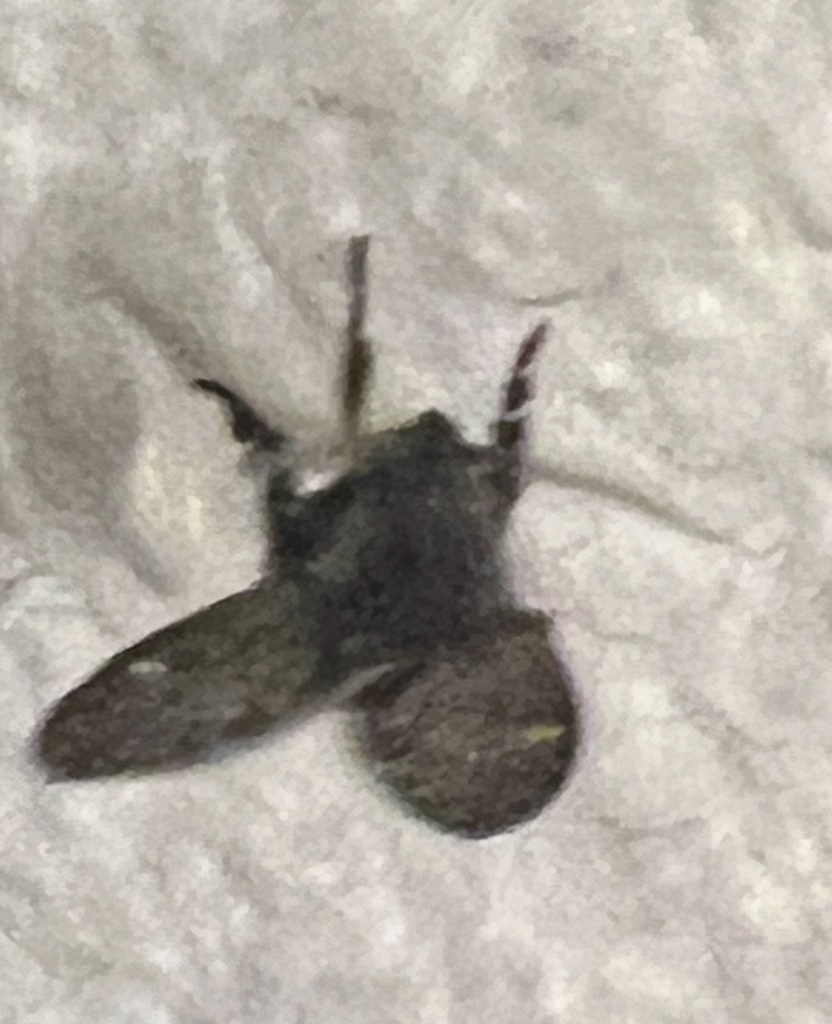
1. The Phereoeca uterella moth is known for its unique behavior of creating protective cases made of silk and debris, which resemble small bags or pouches.
2. These moths are quite small, with a wingspan of around 1 cm, and their larvae spend most of their lives inside these protective cases, observed them in the pictures I took of them in diverse environments and behaviors.
3. Phereoeca uterella larvae are considered pests in households, as they feed on materials like silk, wool, and other fabrics, as well as food residues. Larvas can enter anything since newly formed can fit through a 1mm hole, they are almost invisible. They climb to any place , I found them mostly in closets of abandoned houses.
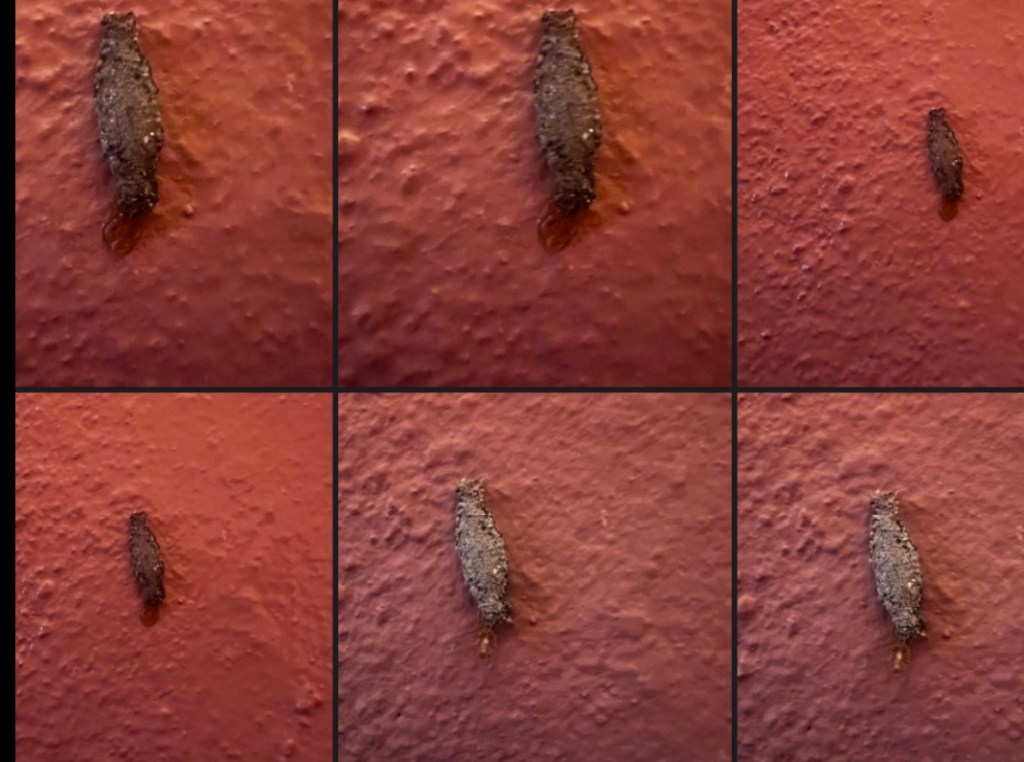
4. It was easy to find them in humid environments, such as bathrooms, kitchens, garages and other areas where they can find suitable conditions for their development.
In simple terms, Phereoeca uterella is a tiny moth that makes little bags to live in and in Puerto Rico, most of the time were found in homes all around the Island and in central mountains towns, but especially in damp places like bathrooms and kitchens.
This pictures were taken in one garage . Location South PR.
If you are experiencing issues with Phereoeca uterella infestations in Puerto Rico, it is recommended to reach out to local pest control authorities or entomologists for guidance on identification and management strategies specific to your region.
Title: Unveiling the Mystery of Phereoeca uterella Infestation in Puerto Rico, revealed thousands of larvae at anywhere we went. Since they are known to switch into a state of minimum functionality, appearing as dead if conditions for life aren’t favorable, they are survivalists, perhaps that’s why there are so many species, feeding even from deaths corpses.
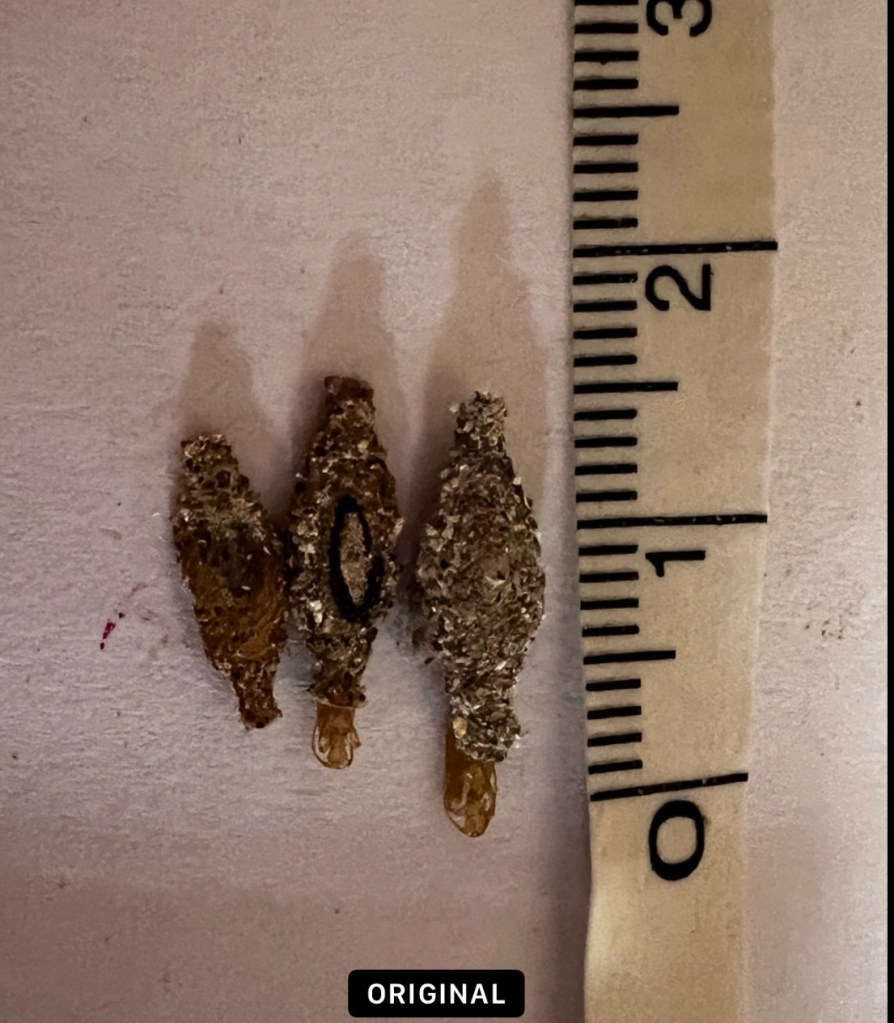
While specific data on Phereoeca uterella infestations in Puerto Rico is limited, it’s crucial to acknowledge that these plaster bagworm moths can thrive in tropical regions like Puerto Rico due to its warm and humid climate. Recognized as household nuisances, these small silver-gray moths with a 1/2-inch wingspan are known to feed on wool, humans hair, and feathers but pose no harm to humans or pets. Something new I observe, they spread silky material while flying at relatively high speed, even if you’re sleeping.
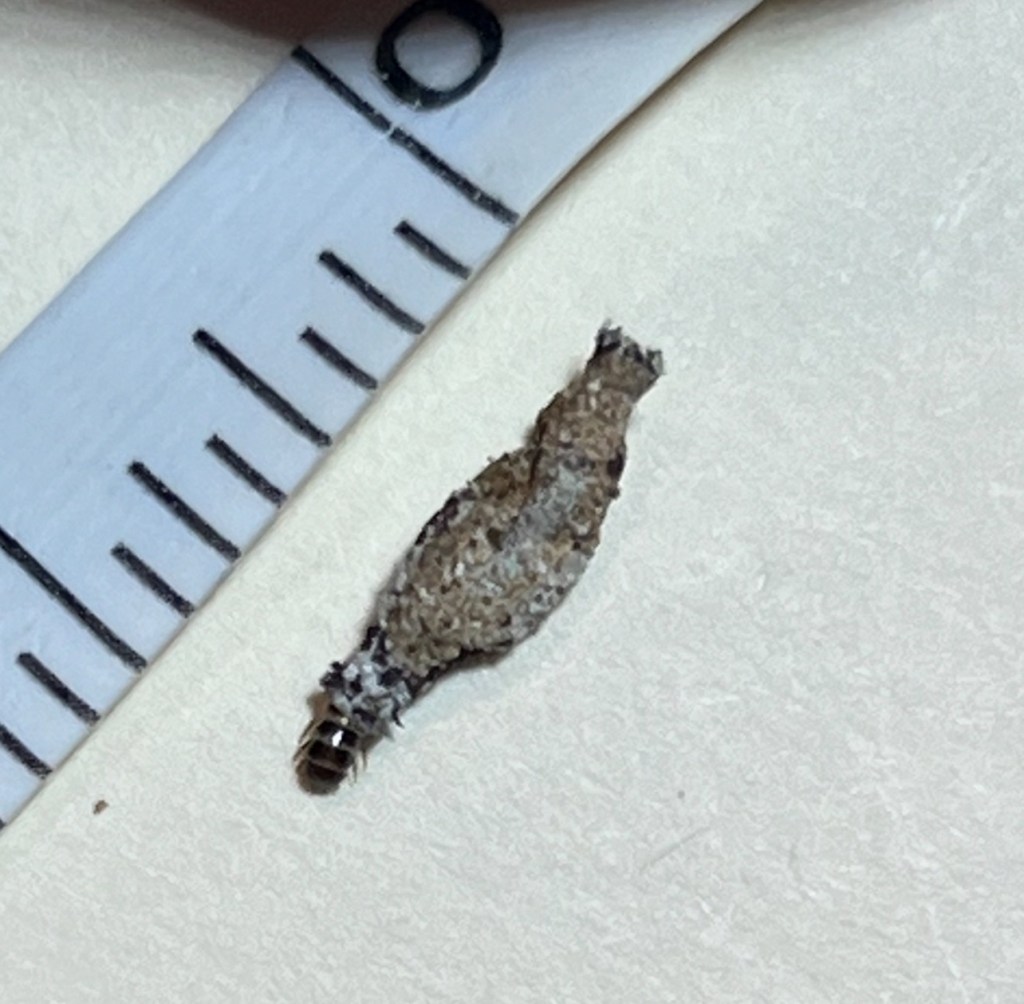
Identification of infestations includes silk cases left by larvae. To mitigate infestations, sealing cracks, proper clothing storage, cleanliness maintenance, and using pheromone traps are recommended. Natural predators include spiders and insects. Consult local pest authorities or entomologists for tailored guidance. For detailed insights, refer to scientific databases or seek information from local sources. Stay informed and proactive in addressing Phereoeca uterella concerns in Puerto Rico. At the time of this research, all known scientific journals and websites were searched for publication, and no information about Pheroeca uterella was available, making this paper unique.
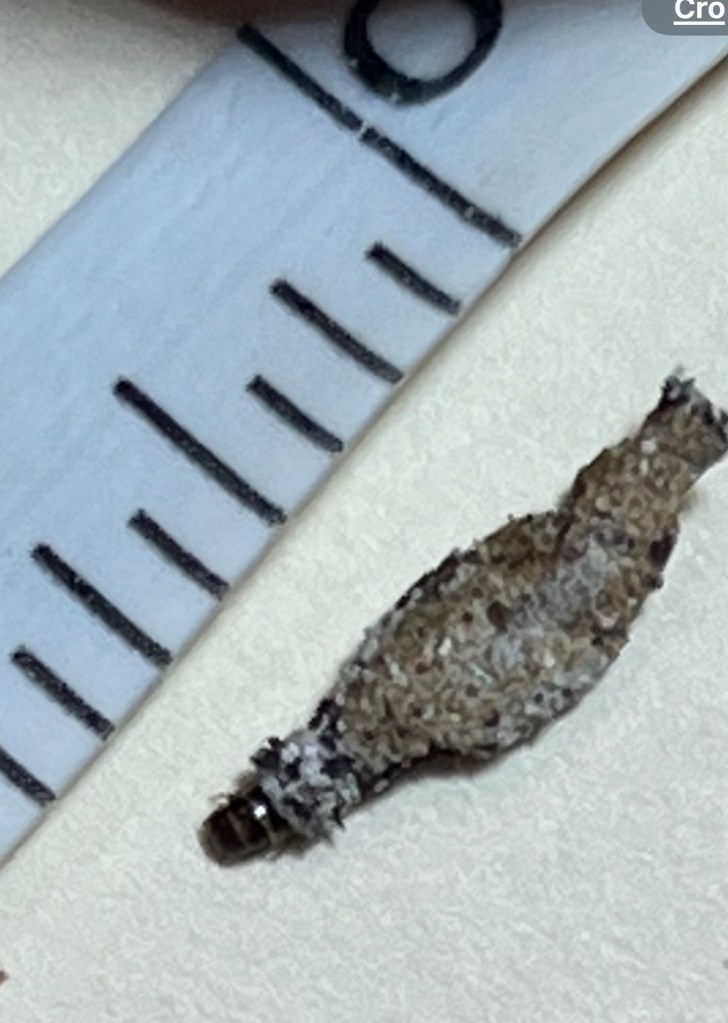
For detailed and specific information on Phereoeca uterella infestations in Puerto Rico, I recommend conducting a search on reputable scientific databases such as Google Scholar, PubMed, or contacting local entomologists, universities, or pest control agencies in Puerto Rico for relevant studies or reports on this topic., where I conducted my searches.
References
University of Florida’s Entomology and Nematology Department and BugGuide
Species Phereoeca uterella – Household Casebearer – Hodges#0390 – BugGuide.Net
 A New Theory of the Universe: Palindromic Entangled Elastic Time Strings Theory “